June 22, 2026
Cambodia implements the IPOPI PIDetect Programme to advance early PID diagnosis
Cambodia has taken an important step towards strengthening the early detection of Primary Immunodeficiencies (PIDs) through the local implementation of the IPOPI PIDetect Programme. This initiative is part of the second phase of the programme, translating international training into practical action at the national level.
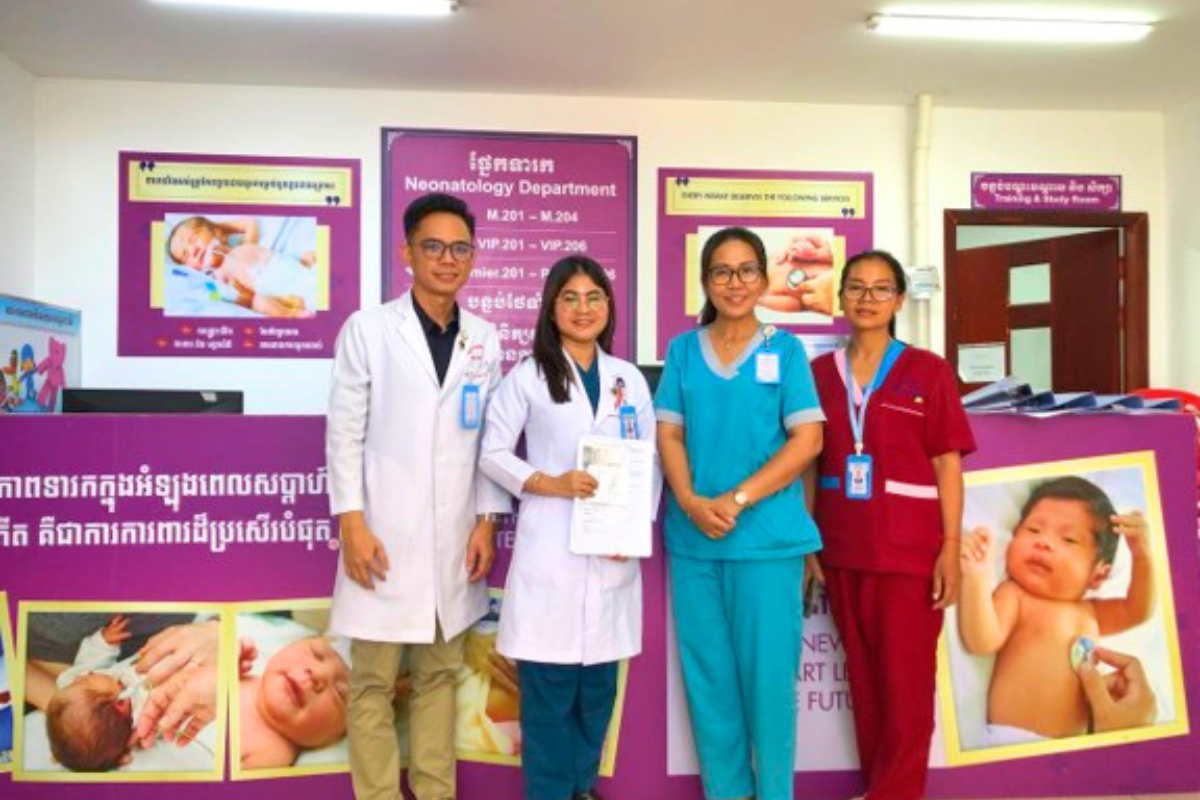
Following specialised training in Malaysia with Prof Adli Ali and his immunology team, Dr Chin Soey, MD, returned to Cambodia to share the knowledge and expertise gained through the programme and to lead the country’s first pilot newborn screening activity for PIDs at the National Pediatric Hospital in Phnom Penh.
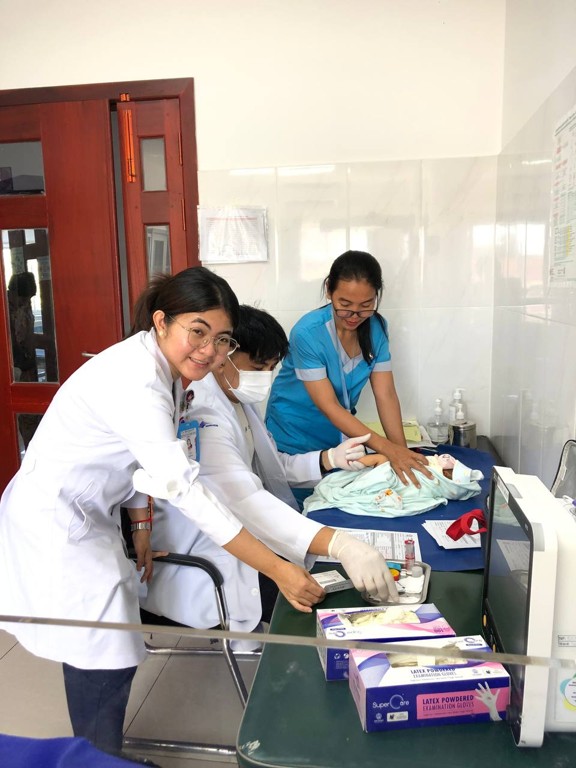
The pilot focused on introducing dried blood spot (DBS) screening for severe and life-threatening PIDs, particularly Severe Combined Immunodeficiency (SCID) and X-linked Agammaglobulinaemia (XLA). The initiative aimed to assess the feasibility of newborn PID screening in Cambodia, strengthen local capacity for early diagnosis, and generate evidence to support future policy development.
With the support of Prof Adli and his team, who sponsored 20 DBS screening kits, newborn samples were successfully collected using a screening method that is both practical and affordable for low-resource settings. Local protocols were developed for sample collection, storage, analysis coordination and clinical follow-up, ensuring that the activity could be effectively integrated within the Cambodian healthcare system.
While the full results are still being assessed, this initiative represents an important milestone for PID care in Cambodia. Beyond introducing newborn screening, it demonstrates the value of international collaboration, knowledge transfer and capacity building in developing sustainable local expertise and advancing earlier diagnosis for patients living with PIDs.