October 28, 2026
German patient organisation expands to 70 virtual patient exchange meetings
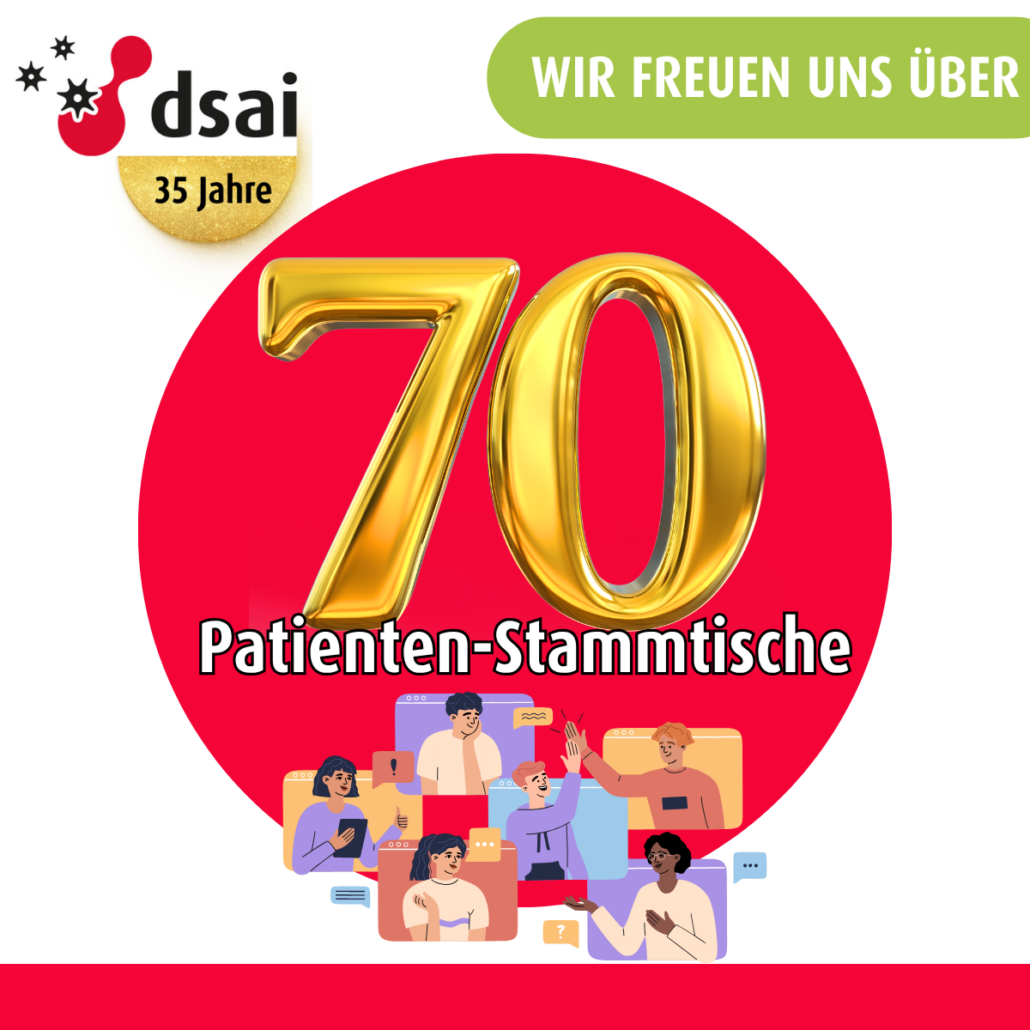
People living with rare immunodeficiencies seldom meet others with similar conditions in their everyday lives. This makes a space where they can exchange experiences, ask questions and feel understood especially valuable. To meet this need, dsai, the German patient organisation for immunodeficiencies, offers virtual patient exchange meetings, known as “Virtual Stammtische”, exclusively for its members. The German term Stammtisch describes a regular, informal gathering in a pub or restaurant where people come together to talk and exchange experiences. A total of 70 virtual patient exchange meetings are scheduled for 2026 – and the programme continues to grow.
“Virtual Patient Stammtisch”: connecting online to exchange experiences
The patient exchange programme began as regional evening gatherings held in person. During the COVID-19 pandemic, the meetings moved online. The benefits have proved lasting: participants no longer face lengthy journeys, and those with health limitations can join more easily, without the additional infection risks associated with meeting in person.
The approach combines central coordination with active patient involvement. The dsai head office schedules the meetings and sends out invitations, while regional group leaders independently host and moderate the regional sessions. Office staff do not attend, creating a safe space for patients to exchange experiences openly among themselves.
Regional and nationwide exchange meetings tailored to patients’ needs
Today, the regional groups cover all parts of Germany. Additional nationwide exchange meetings connect people in similar life situations or with specific conditions. These include meetings for parents of affected children, as well as for teenagers and young adults. Other groups focus on autoinflammatory conditions or associated conditions such as immune thrombocytopenia. Recent additions include groups focusing on bronchiectasis, Good’s syndrome and Epstein-Barr virus. These meetings are moderated by dedicated members who are themselves affected and contribute their own experiences to the exchange.
Health insurance funds have been secured as funding partners for the project.
The development of the virtual “Stammtisch” exchange meetings shows how a regional initiative can grow into a diverse network that responds to patients’ needs, maintains a personal connection and enables patients to exchange experiences across long distances.