June 22, 2026
Transforming Grief into Advocacy: Advances in Early Diagnosis and Awareness of Inborn Errors of Immunity in Rio Grande do Sul
The late diagnosis of Inborn Errors of Immunity (IEI) still represents a major challenge for healthcare systems worldwide. In Brazil, delays in recognising these diseases and accessing specialised care continue to result in severe complications, reduced quality of life, and preventable losses. In this context, strengthening public policies, expanding technical knowledge, and promoting awareness have become essential measures to transform the reality of patients and their families.
Following the loss of my son due to the late diagnosis of an Inborn Error of Immunity, I began advocating for the rights of patients in the state of Rio Grande do Sul. From this personal experience came the commitment to contribute to structural changes that would enable early diagnosis, proper access to treatment, and the reduction of mortality and morbidities associated with primary immunodeficiencies.
The first step was to establish dialogue with the medical specialists who had followed my son’s case and, through them, connect with different professionals working in the fields of immunology and rare diseases. Together, we sought to understand the main difficulties faced in the state regarding Inborn Errors of Immunity, identifying factors associated with delayed diagnosis, clinical complications, and the high morbidity and mortality rates among patients.
Among the priorities identified was the effective implementation of the expansion of newborn screening for primary immunodeficiencies, provided for in Federal Law No. 14.154/2021, enacted in 2021, but which had still not been implemented in Rio Grande do Sul. Based on these demands, advocacy efforts were carried out with the state legislative branch through meetings with representatives committed to public health issues.
As a result of this movement, a public hearing was held in November 2025, bringing together representatives of state and municipal governments, hospitals, healthcare institutions, medical specialists, and members of civil society to discuss the challenges related to early diagnosis and the care of patients with IEI. On that occasion, I had the honour of representing ELPIB, reinforcing the importance of developing public policies focused on strengthening newborn screening and specialised care. (Figure 1)
At the same time, we identified another important gap: the limited coverage of Inborn Errors of Immunity in the academic training of healthcare professionals. In response to this need, initiatives focused on medical and multidisciplinary education were developed, aiming to disseminate scientific information and provide training for the early recognition of these diseases.
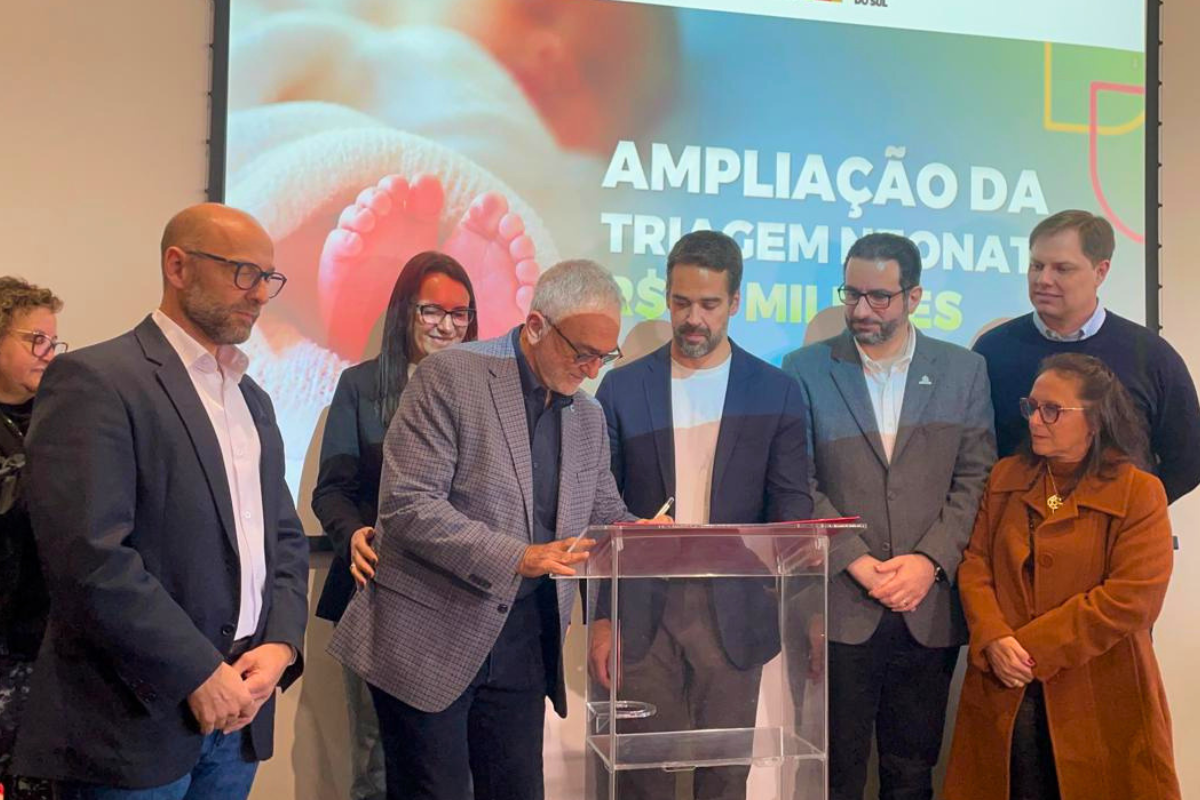
Signing of the agreement between the entities and the government
In this context, the Symposium on Inborn Errors of Immunity was organised during World IEI Week. The event brought together renowned specialists in the fields of immunology, genetics, infectious diseases, hematology, and pediatric intensive care as speakers, promoting scientific updates on warning signs, early diagnosis, and the initial management of patients with primary immunodeficiencies. Our target audience included residents from pediatric training programs in the city of Porto Alegre, as well as other healthcare professionals, further expanding the educational reach of the initiative.
The symposium achieved broad participation and demonstrated the growing interest in the topic of Inborn Errors of Immunity. In order to further democratize access to information, all lectures were recorded and made available online, allowing professionals who were unable to attend in person to also access the scientific content presented.
Only a few days after the symposium, an important achievement for patients and families in the state was announced: the signing of the agreement for the implementation of newborn screening for immunodeficiencies through a partnership between Casa dos Raros, an institution partnered with our association, the Hospital de Clínicas de Porto Alegre, and the State Government, made possible through an investment of 36 million BRL. This measure represents a historic milestone for Rio Grande do Sul and a concrete advancement in the implementation of expanded newborn screening for primary immunodeficiencies. We had the honour of participating in the official announcement ceremony alongside public authorities and institutional representatives.
Although this achievement represents a significant step forward, the work continues. We remain committed to strengthening awareness, health education, and advocacy for public policies that ensure early diagnosis and proper access to treatment. We believe that, through collaboration among patient associations, healthcare professionals, institutions, and public administrators, it will be possible to transform clinical outcomes and save lives through the early recognition of Inborn Errors of Immunity.
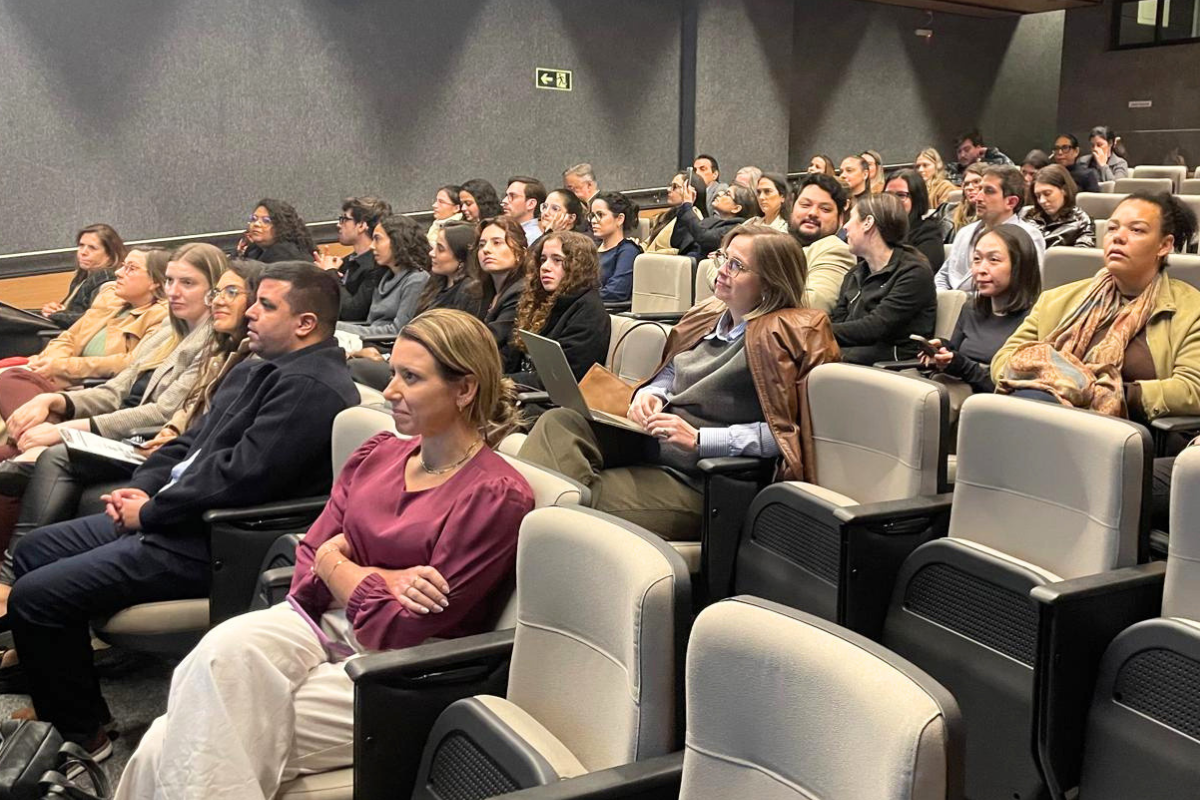
Symposium audience on inborn errors of immunity
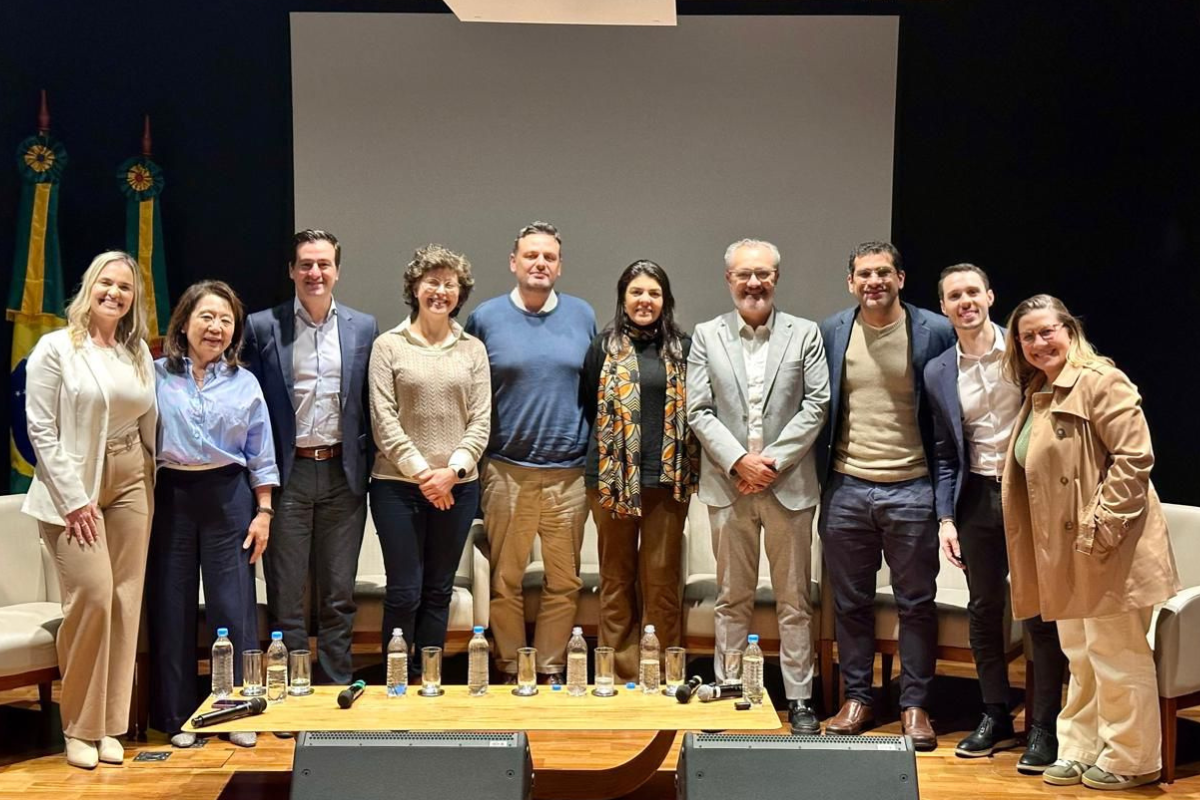
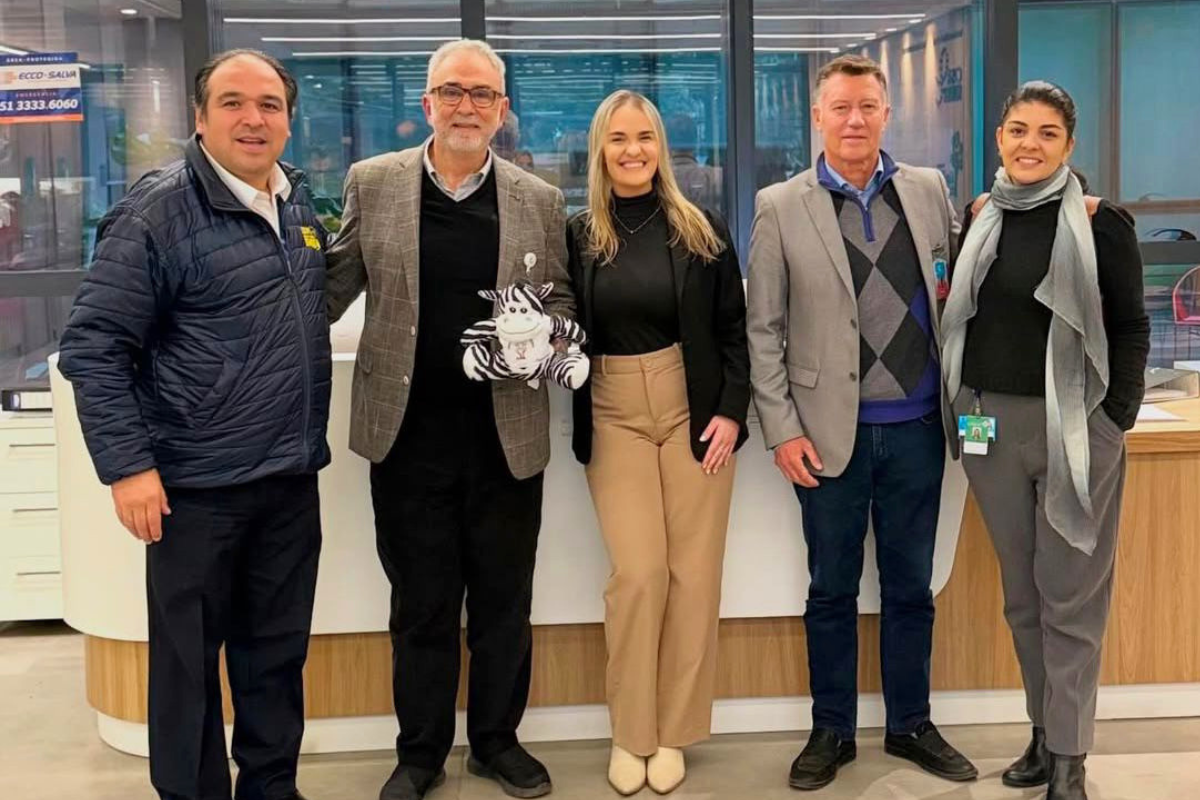
Symposium speakers on inborn errors of immunity