October 28, 2026
IPAW 2026: Bringing Australia’s Plasma Stories to Life
From June to October 2026, the Immune Deficiencies Foundation Australia (IDFA) delivered its Plasma for Life campaign, building awareness of the lifesaving role of plasma donation and the people who depend on plasma-derived therapies. The campaign gained momentum throughout October, culminating in a range of activities during International Plasma Awareness Week (IPAW), held from 5–9 October.
Through personal stories, national partnerships, community events, media engagement and fundraising, IDFA encouraged Australians to better understand the importance of plasma donation and the difference it makes to people living with immunodeficiencies.
Putting a face to plasma donation
At the heart of the campaign was a new video developed in collaboration with Bloody Good Human, using the power of storytelling to connect the experiences of people living with immunodeficiencies with the generosity of plasma donors.
IDFA also worked closely with Lifeblood to share member case studies for media from Western Australia, Tasmania, New South Wales, Queensland and Victoria. These personal stories helped bring the importance of plasma donation to life across different communities, while providing Lifeblood with real experiences to support its own awareness and donor engagement activities.
Connecting communities through collaboration
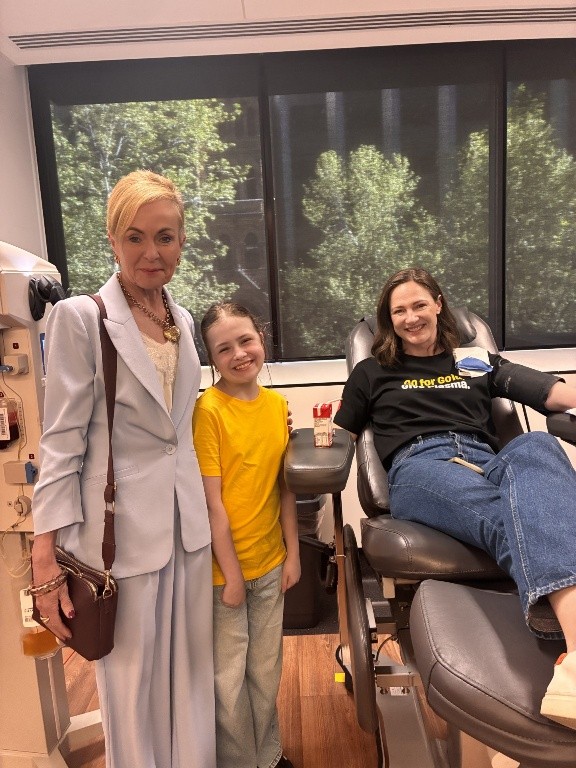
Partnership was central to the campaign. IDFA joined Lifeblood in Melbourne, Victoria, for the launch of its Go for Gold campaign, featuring Olympian Michael Klim as the face of the initiative. Two IDFA members attended alongside the organisation, helping connect the campaign’s message with the lived experience of people who depend on plasma-derived therapies.
In Queensland, an IDFA member and her family also took part in a Lifeblood relay event, appearing in media alongside an Olympic snowboarder to help raise awareness of plasma donation. These opportunities brought patient voices into wider public conversations, reaching audiences who may not otherwise understand the importance of plasma to people living with immunodeficiencies.
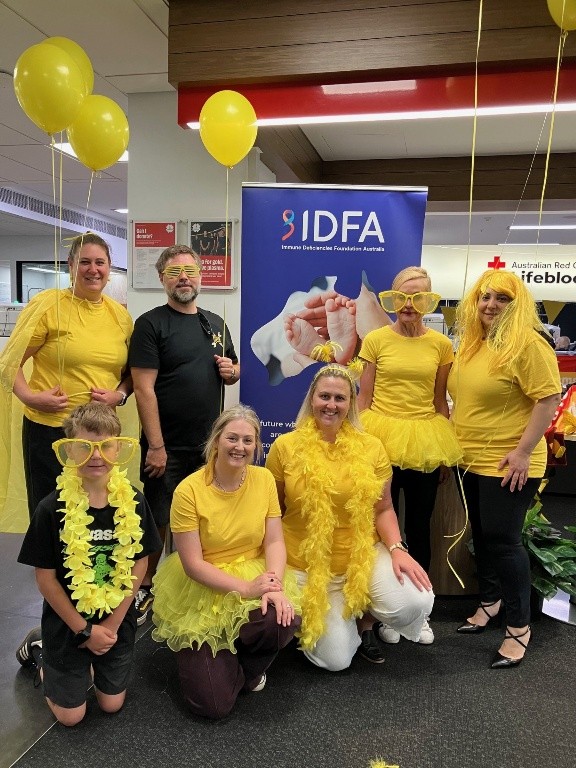
Closer to home, IDFA hosted a Plasma Party at the Lifeblood donor centre in Wollongong, New South Wales. Members joined donors and supporters for the event, which attracted television, print and radio media coverage. The campaign also secured complimentary radio advertising from a local station, extending the reach of the message within the community.
In total, IDFA supported four Plasma Parties across Australia, in Wollongong, Canberra, Melbourne and Hobart. These gatherings provided opportunities for members and supporters to come together, encourage donations and celebrate the generosity of plasma donors.
Turning awareness into action
Alongside its events and media activities, IDFA developed fundraising opportunities to help supporters take a practical role in the campaign. Through its Plasma Heroes fundraising initiative, individuals and teams were encouraged to rally their communities around the cause. A Plasma for Life raffle, featuring 25 prizes, offered another way for supporters to contribute while helping raise awareness of the ongoing need for plasma.
IDFA also incorporated IPAW’s international social media assets into its communications, connecting its Australian activities with the broader global campaign. Across social media, member stories and community events, the message remained consistent: while not everyone can donate plasma, everyone can help spread the word.
In Australia, more than 13,300 people rely on immunoglobulin therapy each month. For many, treatment involves regular infusions or subcutaneous injections, making access to a safe and reliable supply of plasma-derived products essential.
Building a stronger global conversation
For IDFA, IPAW is an opportunity to bring the experiences of people living with immunodeficiencies into a broader conversation about plasma donation and access to treatment. By building its campaign over several months, IDFA was able to develop stories, engage partners and mobilise its community ahead of October’s key awareness activities.
The 2026 campaign demonstrated the impact of combining personal storytelling with strong partnerships, community-led activities, media engagement and fundraising. By working alongside Lifeblood, collaborating with creative partners and supporting members to share their experiences, IDFA helped connect the people who rely on plasma-derived therapies with the donors whose generosity makes treatment possible.
Most importantly, Plasma for Life reminded us that behind every donation is a human connection — one that can make an extraordinary difference, even when the donor and recipient never meet.
Together, we can help ensure plasma donation is understood, valued and supported, today and into the future.